
Description
Belief Shift Toolkit for Claude
Introduction
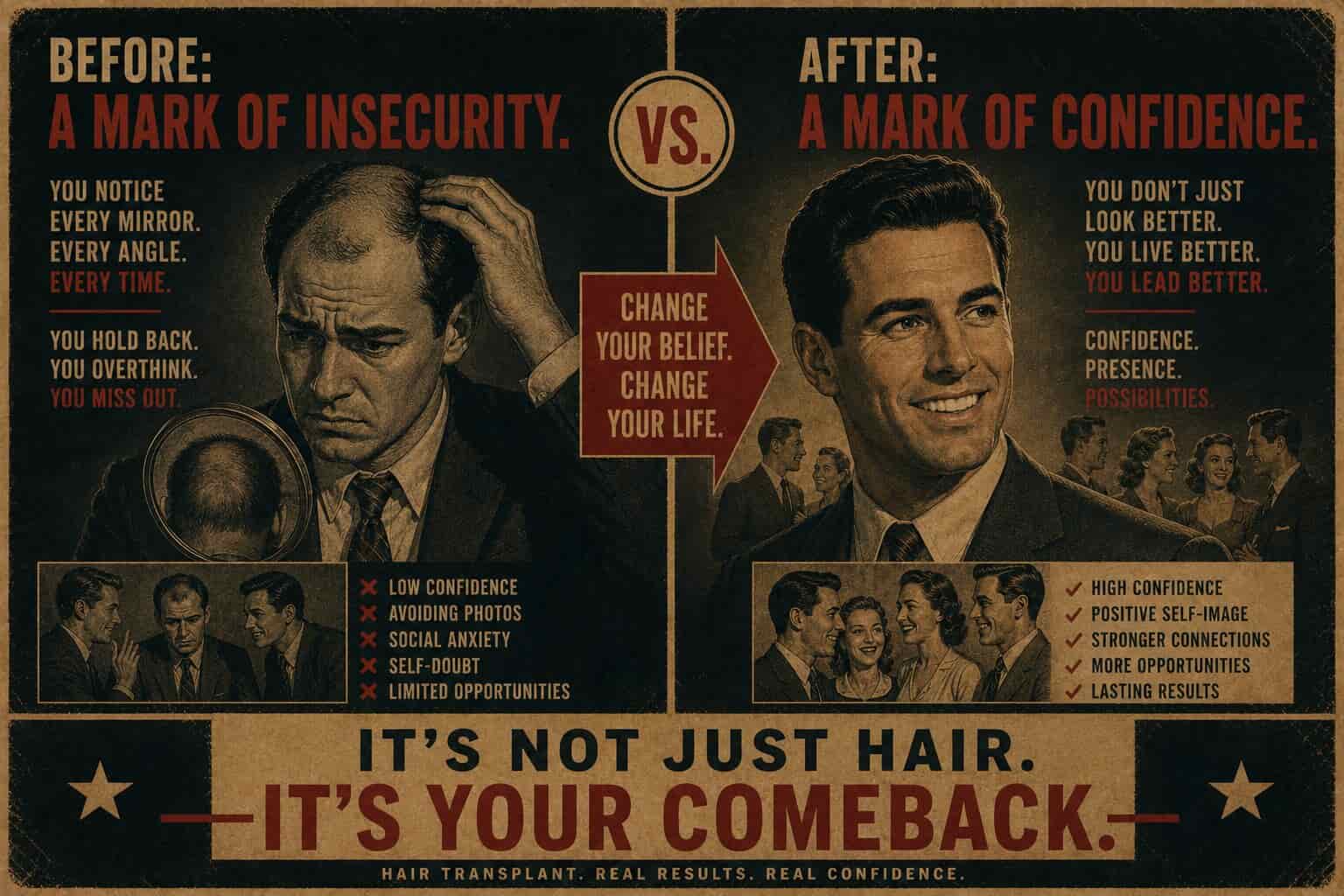
Our beliefs shape nearly every decision we make. They influence how we approach challenges, respond to setbacks, pursue opportunities, and define our personal and professional potential. While empowering beliefs encourage confidence and growth, limiting beliefs often create invisible barriers that prevent progress.
This is where Belief Shift Toolkit for Claude offers a structured and practical approach. Instead of relying on vague motivational advice, the toolkit provides organized prompts, guided conversations, and reflective exercises that help users uncover hidden assumptions, question outdated thinking patterns, and intentionally develop healthier perspectives.
Designed to work seamlessly with Claude AI, the toolkit encourages meaningful dialogue that goes beyond simple question-and-answer interactions. It acts as a personal reflection companion, helping users analyze situations objectively while supporting continuous mindset development.
Whether you’re an entrepreneur trying to overcome self-doubt, a student building confidence, a professional navigating career changes, or someone focused on personal growth, this framework can become an effective resource for creating lasting mental shifts.
Rather than promising overnight transformation, the toolkit emphasizes consistent practice, thoughtful reflection, and practical implementation. Over time, these small yet intentional mindset adjustments can contribute to improved confidence, stronger decision-making, greater resilience, and a more optimistic outlook toward life’s opportunities.
Understanding Limiting Beliefs
Before exploring how the toolkit functions, it’s important to understand what limiting beliefs actually are.
A limiting belief is a deeply held assumption that restricts personal growth or prevents someone from taking action. These beliefs often develop through childhood experiences, social conditioning, previous failures, criticism, or repeated negative experiences.
Common examples include:
- I’m not good enough.
- Success is only for lucky people.
- I always fail.
- I’m too old to learn something new.
- I don’t deserve happiness.
- I can’t become financially successful.
- My ideas aren’t valuable.
- I’ll never become confident.
Although these thoughts may feel factual, they are usually interpretations rather than objective truths.
Many people unknowingly make important life decisions based on these internal narratives. Over time, these repeated thoughts reinforce themselves until they become automatic patterns.
Recognizing these patterns is often the first step toward meaningful change.
What Is Belief Shift Toolkit for Claude?
Belief Shift Toolkit for Claude is a carefully organized collection of prompts, reflection exercises, conversational frameworks, and mindset coaching techniques specifically designed to work with Claude AI.
Instead of offering generic motivational statements, the toolkit encourages users to engage in structured conversations that examine existing beliefs from multiple perspectives.
The process typically involves:
- Identifying limiting beliefs
- Understanding where they originated
- Examining supporting evidence
- Challenging inaccurate assumptions
- Replacing harmful beliefs with empowering alternatives
- Reinforcing healthier thought patterns through repetition
Rather than providing all the answers, Claude serves as an intelligent conversation partner that helps users discover insights through guided questioning.
This collaborative approach often leads to more meaningful self-awareness than passive reading or generic self-help advice.
Why Mindset Work Matters
Every goal begins with a belief.
If someone believes success is impossible, they rarely take meaningful action.
If someone believes improvement is achievable, they become more willing to experiment, learn, and persist.
Mindset influences:
Career Growth
People who believe they can develop new skills typically pursue learning opportunities more consistently than those who assume their abilities are fixed.
Entrepreneurship
Business owners constantly face uncertainty.
Replacing fear-based thinking with solution-focused thinking can improve decision-making and resilience.
Education
Students who adopt a growth mindset often recover from mistakes faster and remain motivated throughout difficult learning experiences.
Relationships
Beliefs about trust, communication, self-worth, and emotional safety influence nearly every personal relationship.
Mental Well-being
Positive belief systems encourage healthier emotional responses to setbacks, reducing unnecessary stress and self-criticism.
Core Features of the Toolkit
A well-designed belief transformation system usually combines several complementary methods.
Guided Self-Reflection
Instead of simply asking “Why do you think that?”, the toolkit introduces layered reflection prompts.
Examples include:
- What evidence supports this belief?
- What evidence challenges it?
- When did this belief first appear?
- Would I tell someone else this same belief?
- What alternative explanation exists?
These questions encourage deeper thinking rather than surface-level responses.
Pattern Recognition
Many limiting beliefs repeat across different areas of life.
Someone who believes they are “not good enough” may experience similar struggles in:
- Career
- Relationships
- Public speaking
- Leadership
- Creativity
- Financial decisions
The toolkit helps users recognize recurring emotional and behavioral patterns.
Once patterns become visible, changing them becomes much easier.
Reframing Techniques
One of the most valuable aspects of mindset coaching involves reframing.
For example:
Instead of:
“I always fail.”
The conversation may gradually shift toward:
“I’ve experienced setbacks, but every attempt has taught me valuable lessons.”
Similarly:
“I can’t do this.”
May become:
“I haven’t mastered this yet.”
Small wording changes often create surprisingly significant psychological differences.
Evidence-Based Thinking
Human brains naturally focus on negative experiences.
The toolkit encourages balanced thinking by asking users to collect objective evidence rather than relying on emotional assumptions.
Questions might include:
- What facts support this thought?
- Which facts contradict it?
- Am I making assumptions?
- What would an outside observer notice?
This helps reduce cognitive distortions and encourages more rational decision-making.
How Claude Enhances the Process
Traditional journaling is valuable, but it often lacks interaction.
Claude provides conversational feedback that adapts to each response.
Instead of following a rigid worksheet, users receive follow-up questions that encourage deeper exploration.
For example:
A user might say:
“I don’t think I’m capable of leading a team.”
Claude may respond by exploring:
- Previous leadership experiences
- Positive feedback received
- Skills already demonstrated
- Alternative interpretations
- Practical ways to build confidence
This dynamic conversation creates a more engaging and personalized experience.
Benefits for Different Users
Students
Students often struggle with academic pressure, fear of failure, and comparison.
The toolkit helps them replace fixed thinking with growth-oriented perspectives, encouraging continuous improvement rather than perfection.
Entrepreneurs
Business owners frequently encounter rejection, uncertainty, and financial risks.
Using structured mindset conversations helps maintain resilience while avoiding negative thinking cycles.
Professionals
Career advancement often requires confidence, communication, and adaptability.
The toolkit supports professionals in challenging self-doubt while strengthening leadership skills and decision-making abilities.
Creatives
Writers, designers, artists, musicians, and content creators often experience impostor syndrome.
Guided reflection can help reduce perfectionism and encourage consistent creative output.
Individuals Focused on Personal Development
Anyone interested in improving self-awareness, emotional intelligence, confidence, or long-term growth can benefit from structured belief examination.
Creating Sustainable Change
Real mindset transformation rarely happens overnight.
Instead, it develops through consistent repetition, honest reflection, and practical action.
The toolkit encourages users to build small daily habits such as:
- Five-minute reflection sessions
- Daily belief check-ins
- Gratitude journaling
- Progress tracking
- Positive affirmation refinement
- Weekly mindset reviews
- Action-oriented goal setting
These practices reinforce healthier thinking patterns over time, making positive beliefs more natural and automatic.
Advanced Strategies for Long-Term Belief Transformation
Developing a healthier mindset is not simply about replacing one thought with another. Lasting change comes from repeatedly practicing new perspectives until they become part of everyday thinking. A structured system like the Belief Shift Toolkit for Claude supports this process by encouraging consistent reflection, thoughtful questioning, and practical application.
Instead of treating belief work as a one-time exercise, users are encouraged to revisit recurring patterns, celebrate progress, and adjust their thinking as they grow. This ongoing process creates stronger emotional resilience and greater confidence in handling life’s challenges.
Building Empowering Beliefs
Once limiting beliefs have been identified, the next step is intentionally creating empowering alternatives.
An empowering belief should feel realistic while encouraging growth. Rather than making exaggerated statements that are difficult to believe, it is often more effective to adopt balanced and achievable perspectives.
Examples include:
Instead of:
“I always fail.”
Try:
“I learn valuable lessons from every experience.”
Instead of:
“I’m not smart enough.”
Try:
“I can improve my skills through consistent learning.”
Instead of:
“No one values my ideas.”
Try:
“My ideas become stronger when I continue developing and sharing them.”
Instead of:
“I’ll never be successful.”
Try:
“Success comes from persistence, continuous learning, and taking action.”
These new perspectives gradually influence behavior, leading to more confident decisions and healthier responses to setbacks.
Practical Daily Exercises
Consistency plays a significant role in belief transformation. Incorporating a few simple habits into a daily routine can reinforce positive thinking over time.
Morning Mindset Check
Start each day by asking yourself:
- What belief do I want to strengthen today?
- What challenge might I face?
- How can I respond with confidence?
- What action aligns with my goals?
This brief reflection sets a positive tone for the day.
Evening Reflection
At the end of the day, consider:
- What went well today?
- Which limiting belief appeared?
- How did I respond?
- What would I do differently next time?
- What progress have I made?
Daily reflection encourages self-awareness without judgment.
Evidence Collection
Many limiting beliefs survive because people focus only on experiences that confirm them.
Create a habit of recording evidence that challenges negative assumptions.
For example:
- Positive feedback from colleagues
- Completed projects
- New skills learned
- Successful presentations
- Personal achievements
- Moments of confidence
- Problems solved effectively
Over time, this growing collection provides objective proof of personal growth.
Future Self Visualization
Visualization helps strengthen motivation by encouraging people to imagine the person they are becoming.
Ask yourself questions such as:
- How does my future self think?
- How does my future self handle challenges?
- What daily habits does my future self practice?
- What beliefs support that version of me?
Regular visualization makes long-term goals feel more achievable.
Common Challenges During Belief Shifts
Changing deeply rooted beliefs is rarely a perfectly smooth process. Many individuals encounter temporary obstacles along the way.
Some of the most common challenges include:
Resistance to Change
The mind often prefers familiar thought patterns, even when they are unhelpful.
Feeling resistance does not mean the process is failing—it simply reflects the brain’s tendency to maintain established habits.
Fear of Failure
Trying something new can feel uncomfortable.
Instead of viewing mistakes as evidence of failure, they can be seen as opportunities for learning and improvement.
Seeking Perfection
Many people believe every thought must immediately become positive.
In reality, mindset development focuses on progress rather than perfection.
Small improvements accumulated over time produce meaningful results.
External Influences
Friends, family members, workplaces, and social environments can reinforce old beliefs.
Developing awareness allows individuals to recognize these influences while choosing healthier responses.
Best Practices for Using the Toolkit
To maximize results, consider the following recommendations:
- Be honest during self-reflection.
- Answer prompts thoughtfully instead of rushing.
- Practice consistently rather than occasionally.
- Keep a journal of recurring insights.
- Review previous conversations regularly.
- Celebrate small improvements.
- Focus on long-term progress instead of immediate perfection.
- Stay curious and open to new perspectives.
The more consistently these practices are applied, the more natural empowering beliefs become.
Who Can Benefit?
One of the strengths of this approach is its versatility.
It can support individuals across many areas of life, including:
Students
Building academic confidence, improving study habits, and reducing fear of failure.
Entrepreneurs
Developing resilience, overcoming self-doubt, and maintaining motivation during uncertain business situations.
Professionals
Improving leadership skills, workplace confidence, communication, and career growth.
Coaches and Mentors
Creating structured conversations that encourage clients to challenge limiting assumptions and build healthier perspectives.
Writers and Creators
Managing creative blocks, reducing perfectionism, and increasing confidence in sharing original work.
Lifelong Learners
Supporting continuous personal development through intentional self-reflection and mindset improvement.
Frequently Asked Questions (FAQs)
What is the purpose of the Belief Shift Toolkit for Claude?
It provides a structured framework for identifying limiting beliefs, challenging unhelpful thought patterns, and developing more empowering perspectives through guided conversations with Claude AI.
Is this toolkit suitable for beginners?
Yes. Whether someone is new to personal development or has previous experience with mindset coaching, the structured prompts and conversational approach make it accessible for all experience levels.
Can it replace professional therapy?
No. The toolkit is designed as a personal growth and self-reflection resource. Individuals experiencing significant mental health concerns should seek support from qualified mental health professionals.
How often should it be used?
Many users benefit from engaging with the toolkit several times each week. Consistent practice generally produces better long-term results than occasional intensive sessions.
Can it improve confidence?
Many people find that regularly examining and reframing limiting beliefs helps build greater self-awareness and confidence over time. Results depend on consistent effort and personal circumstances.
Does it work for professional development?
Yes. By encouraging clearer thinking, improved self-belief, and intentional decision-making, the toolkit can support leadership, career growth, communication, and productivity.
Why Consistency Matters More Than Motivation
Motivation naturally rises and falls, but habits create lasting change.
Small daily actions—such as reflecting on one belief, challenging one assumption, or taking one step outside a comfort zone—can gradually reshape the way people think and respond to challenges.
Over weeks and months, these incremental improvements build stronger confidence, better emotional resilience, and a more constructive outlook. Sustainable growth is rarely the result of dramatic breakthroughs; it is usually the product of steady, intentional practice.
Final Thoughts
Personal growth begins with awareness. Every achievement, career move, creative project, or meaningful relationship is influenced by the beliefs we carry about ourselves and the world around us. The Belief Shift Toolkit for Claude provides a structured way to examine those beliefs, question assumptions that no longer serve us, and intentionally cultivate healthier patterns of thinking.
Rather than offering quick fixes or unrealistic promises, this approach emphasizes reflection, evidence-based thinking, and consistent action. By engaging in guided conversations, practicing self-awareness, and reinforcing empowering beliefs, users can gradually replace self-limiting narratives with perspectives that support learning, resilience, and long-term success.
Whether your goal is personal development, professional advancement, creative confidence, or improved decision-making, mindset plays a foundational role. When paired with regular practice and a willingness to grow, the toolkit becomes more than a collection of prompts—it becomes an ongoing framework for building confidence, embracing challenges, and creating meaningful, lasting change.



Reviews
There are no reviews yet.