
Description
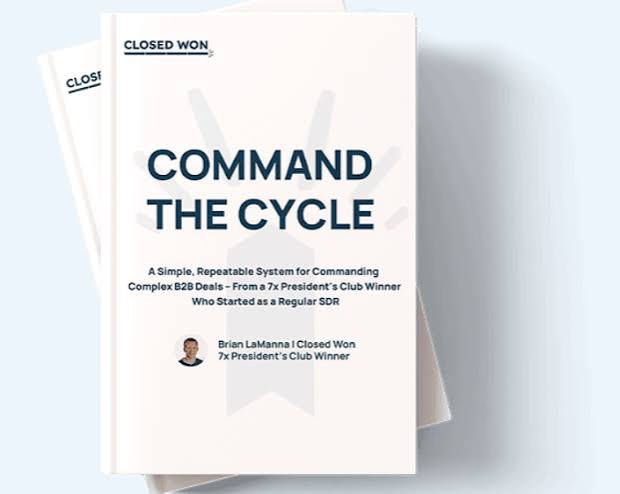
Brian LaManna – Command The Cycle: Mastering the Patterns That Shape Success
Success is rarely the result of a single decision, a lucky break, or a moment of inspiration. Instead, it is often the product of consistent actions repeated over time. In Brian LaManna – Command The Cycle, readers are introduced to a transformative framework that emphasizes understanding, controlling, and optimizing the cycles that influence every aspect of life. Whether those cycles involve habits, mindset, productivity, relationships, or personal growth, learning to command them can lead to extraordinary results.
The concept behind this powerful work revolves around recognizing recurring patterns and taking ownership of them rather than becoming a passive participant. Every achievement, setback, breakthrough, and challenge exists within a cycle. The individuals who learn how to identify these patterns gain a significant advantage in both their personal and professional lives.
Understanding the Meaning Behind Command The Cycle
At its core, Brian LaManna – Command The Cycle teaches that life operates through interconnected loops of behavior and outcomes. Many people unknowingly repeat the same actions while expecting different results. They become trapped in cycles of procrastination, self-doubt, poor decision-making, or unproductive routines.
The book challenges this mindset by encouraging readers to become conscious architects of their daily patterns. Once a cycle is identified, it becomes possible to influence it, modify it, and ultimately master it.
The principle is simple yet profound: every result originates from a process. By improving the process, better results naturally follow. This philosophy shifts attention away from temporary motivation and places it on sustainable systems that create long-term success.
Why Cycles Determine Personal Growth
Growth does not occur in a straight line. It happens through repeated experiences that build knowledge, resilience, and confidence. The lessons explored in Brian LaManna – Command The Cycle demonstrate how personal development is deeply connected to recurring behaviors.
Consider the cycle of learning:
- Exposure to new information
- Practice and implementation
- Reflection on outcomes
- Adjustment and improvement
- Repetition
Individuals who consistently move through this cycle develop expertise over time. Those who abandon the process after initial difficulties often struggle to achieve meaningful progress.
Understanding these growth loops helps individuals remain committed even when immediate results are not visible. The focus shifts from short-term gratification to long-term transformation.
The Power of Self-Awareness
One of the most important themes within the framework is self-awareness. Before anyone can command a cycle, they must first recognize its existence.
Many negative patterns operate beneath conscious awareness. Examples include:
- Reacting emotionally to stress
- Avoiding difficult conversations
- Delaying important decisions
- Seeking comfort over growth
- Repeating ineffective habits
Self-awareness acts as a spotlight, revealing behaviors that may have been hidden for years. Once identified, these patterns lose much of their power.
The journey toward mastery begins with honest observation. Instead of judging oneself harshly, the focus becomes understanding why certain cycles exist and how they can be improved.
Breaking Negative Behavioral Patterns
One of the greatest challenges individuals face is escaping destructive cycles. These patterns often become deeply ingrained through repetition.
Common negative cycles include:
The Procrastination Loop
A task creates discomfort. The individual avoids the task, experiences temporary relief, and reinforces the habit of avoidance. Eventually, deadlines create stress, reducing performance and increasing anxiety.
The Self-Doubt Cycle
A person questions their abilities, avoids opportunities, gains less experience, and then uses the lack of experience as evidence that they are incapable.
The Burnout Pattern
Overworking leads to exhaustion, which decreases performance. Reduced performance causes frustration, resulting in even more effort and deeper exhaustion.
The strategies presented in Brian LaManna – Command The Cycle emphasize disrupting these loops at critical points. Small interventions can create significant changes over time.
Building Positive Momentum
Success is often the result of momentum rather than motivation. Motivation fluctuates, but momentum grows stronger with every positive action.
Positive cycles typically follow a pattern:
- Small action
- Small success
- Increased confidence
- Greater action
- Larger success
This process creates a reinforcing loop that strengthens over time.
For example, committing to ten minutes of daily exercise may seem insignificant initially. However, consistency builds confidence, energy, and discipline. These improvements encourage greater effort, leading to even better results.
Momentum transforms ordinary actions into extraordinary outcomes through repetition and persistence.
Leadership and Commanding Influence
The principles discussed are not limited to personal development. They are equally relevant in leadership and organizational environments.
Great leaders understand that teams operate within cycles as well. Workplace culture, communication patterns, productivity habits, and performance expectations all form interconnected systems.
Effective leaders focus on:
- Creating positive feedback loops
- Encouraging accountability
- Reinforcing productive behaviors
- Eliminating recurring obstacles
- Building environments that support growth
When leaders recognize and influence these organizational cycles, they create sustainable success rather than temporary improvements.
The Connection Between Discipline and Freedom
A recurring lesson within the framework is the relationship between discipline and freedom.
Many people view discipline as restrictive. In reality, discipline often creates greater freedom by eliminating chaos and uncertainty.
Examples include:
- Financial discipline leading to financial freedom
- Health discipline leading to physical vitality
- Time discipline leading to increased opportunities
- Mental discipline leading to emotional stability
The cycles established through disciplined actions eventually produce outcomes that expand personal freedom.
Rather than relying on willpower alone, successful individuals create systems that support consistent behavior.
Developing a Growth-Oriented Mindset
Mindset plays a crucial role in determining which cycles dominate a person’s life.
A fixed mindset often reinforces limiting patterns:
- Fear of failure
- Resistance to feedback
- Avoidance of challenges
- Dependence on external validation
A growth-oriented mindset encourages:
- Continuous learning
- Adaptability
- Resilience
- Personal responsibility
By embracing challenges as opportunities for development, individuals create positive cycles of improvement.
The emphasis is not on perfection but on progress. Every experience becomes valuable when viewed through the lens of growth.
Resilience Through Repetition
Resilience is frequently misunderstood as an innate trait. In reality, resilience is often developed through repeated exposure to challenges.
Every obstacle presents an opportunity to strengthen mental and emotional endurance.
The process generally follows this pattern:
- Encounter difficulty
- Experience discomfort
- Adapt and learn
- Build confidence
- Face larger challenges
Over time, these experiences create a cycle of resilience that prepares individuals for increasingly complex situations.
People who command this process become less fearful of setbacks because they understand that adversity contributes to growth.
The Importance of Daily Habits
Habits represent some of the most powerful cycles in human behavior. Small actions performed consistently have the ability to shape entire futures.
Positive habits may include:
- Reading regularly
- Exercising consistently
- Practicing gratitude
- Setting daily priorities
- Reflecting on progress
Negative habits often operate with equal power but produce opposite results.
The key lesson is that habits should not be evaluated based on immediate outcomes. Their true impact becomes visible over weeks, months, and years.
Success is often hidden within ordinary routines.
Taking Ownership of Results
A central message throughout Brian LaManna – Command The Cycle is personal responsibility.
Ownership does not mean blaming oneself for every challenge. Instead, it means recognizing the ability to influence future outcomes.
Individuals who embrace ownership ask questions such as:
- What can I learn from this situation?
- Which behaviors contributed to this outcome?
- What adjustments can I make moving forward?
- How can I improve the process?
This mindset creates empowerment rather than helplessness.
When people focus on controllable factors, they regain the ability to shape their future.
Creating Long-Term Success
Long-term success is rarely achieved through dramatic changes. More often, it emerges from consistent improvements accumulated over time.
The framework encourages readers to focus on:
Consistency Over Intensity
Short bursts of effort often produce temporary results. Consistent action creates lasting transformation.
Systems Over Goals
Goals provide direction, but systems determine outcomes.
Process Over Perfection
Progress is sustained when individuals prioritize improvement rather than flawless execution.
Persistence Over Speed
Meaningful achievements often require patience and endurance.
These principles help individuals build success that remains sustainable even during periods of uncertainty.
Applying the Lessons in Everyday Life
The concepts explored can be applied across virtually every area of life:
Career Development
Identify productive work habits, eliminate distractions, and create systems that support professional growth.
Health and Fitness
Establish routines that encourage long-term physical well-being rather than short-term results.
Relationships
Develop communication patterns that strengthen trust, respect, and understanding.
Financial Stability
Create spending, saving, and investment habits that support future security.
Personal Fulfillment
Focus on activities that align with values, purpose, and meaningful goals.
The ability to command these cycles creates lasting improvements that compound over time.
Final Thoughts
Brian LaManna – Command The Cycle offers a compelling perspective on the forces that shape success, growth, and fulfillment. Rather than viewing life as a series of random events, it encourages individuals to recognize the recurring patterns that influence their outcomes.
By developing self-awareness, embracing responsibility, building positive habits, and disrupting destructive behaviors, anyone can begin to take control of the cycles that define their future. The journey toward mastery is not about achieving perfection; it is about creating systems that support continuous improvement.
Those who learn to command their cycles gain more than success—they gain clarity, confidence, resilience, and the ability to intentionally shape the direction of their lives.





Reviews
There are no reviews yet.