
Description
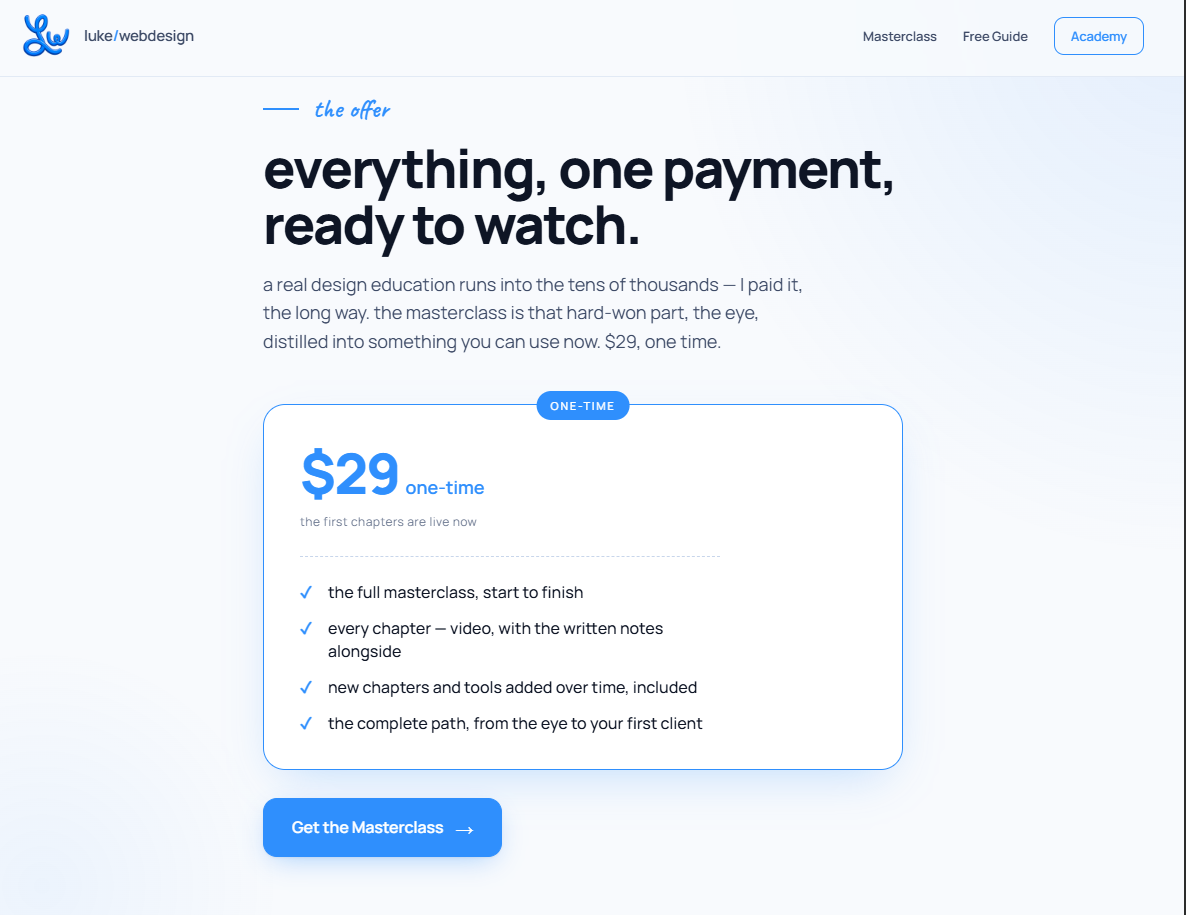
LukeWebDesign – AI Web Design Guide: The Complete Blueprint for Modern Website Creation
Artificial Intelligence is transforming the way websites are planned, designed, developed, and optimized. Traditional web design often required countless hours of brainstorming, wireframing, coding, testing, and revisions. Today, AI-powered solutions streamline these processes, helping designers, developers, entrepreneurs, and businesses create stunning websites faster than ever before.
This comprehensive LukeWebDesign – AI Web Design Guide explores how artificial intelligence is revolutionizing web design, the tools that make it possible, and the strategies needed to build high-performing websites that deliver exceptional user experiences.
Whether you’re a freelancer, agency owner, business professional, or aspiring web designer, understanding AI-driven design principles can help you stay ahead in an increasingly competitive digital landscape.
What Is AI Web Design?
AI web design refers to the use of artificial intelligence technologies to assist with website creation, design decisions, content generation, user experience improvements, and performance optimization.
Instead of manually completing every task, designers can leverage AI systems to:
- Generate website layouts
- Create design concepts
- Write website content
- Optimize user experiences
- Improve SEO performance
- Build responsive designs
- Analyze visitor behavior
- Automate repetitive tasks
The result is faster project completion, improved efficiency, and better overall website performance.
Why AI Is Changing Web Design Forever
The digital landscape evolves rapidly. Businesses need websites that look professional, load quickly, rank well in search engines, and convert visitors into customers.
Artificial intelligence helps achieve these goals by reducing manual work while increasing design accuracy.
Major benefits include:
Faster Design Process
AI can generate wireframes, layouts, and design suggestions within minutes, significantly reducing project timelines.
Improved Creativity
Designers gain access to unique visual concepts and inspiration generated by intelligent systems.
Enhanced User Experience
AI analyzes user behavior patterns and recommends design improvements that increase engagement.
Better Conversion Rates
Smart optimization techniques help create websites that guide visitors toward desired actions.
Reduced Development Costs
Automation minimizes repetitive tasks, allowing teams to focus on higher-value activities.
Understanding the Modern AI Design Workflow
Successful website creation involves multiple stages. Artificial intelligence can assist throughout the entire process.
1. Research and Discovery
Before designing a website, understanding the target audience is essential.
AI tools can analyze:
- Market trends
- Customer behavior
- Competitor websites
- Search intent
- Industry benchmarks
This data helps create a strategic foundation for the project.
2. Planning and Wireframing
Wireframes define the structure of a website.
AI-powered platforms can automatically generate:
- Homepage layouts
- Landing pages
- Service pages
- Product pages
- Blog structures
These wireframes provide a starting point that can be customized further.
3. Visual Design
Artificial intelligence assists with:
- Color selection
- Typography pairing
- Layout optimization
- Visual hierarchy
- Brand consistency
Designers can quickly explore multiple concepts before choosing the best direction.
4. Content Creation
Content remains one of the most important website elements.
AI helps create:
- Headlines
- Product descriptions
- Landing page copy
- Blog articles
- Call-to-action sections
Human review ensures authenticity and brand alignment.
5. Optimization and Testing
After launch, AI tools continuously analyze performance data and identify opportunities for improvement.
Core Principles of Effective AI Web Design
Using artificial intelligence does not eliminate the need for strong design fundamentals.
The most successful websites still follow proven principles.
User-Centered Design
Every design decision should prioritize user needs.
Ask questions such as:
- What information does the visitor need?
- How quickly can they find it?
- Is navigation intuitive?
- Does the design build trust?
AI can provide recommendations, but user-focused thinking remains critical.
Simplicity
Complex designs often reduce usability.
Effective websites:
- Use clear navigation
- Minimize distractions
- Maintain visual consistency
- Focus on primary objectives
Simple websites generally perform better than cluttered alternatives.
Mobile-First Design
Most internet traffic comes from mobile devices.
Modern websites must:
- Load quickly on smartphones
- Display content properly on smaller screens
- Provide touch-friendly navigation
- Optimize mobile conversions
AI tools help automate responsive design adjustments.
Accessibility
Accessibility ensures everyone can use a website effectively.
Important considerations include:
- Readable typography
- Proper color contrast
- Keyboard navigation
- Screen reader compatibility
- Alternative image descriptions
AI can identify accessibility issues before launch.
Essential Features Every Modern Website Needs
Successful websites share common characteristics.
Fast Loading Speed
Website speed affects:
- User satisfaction
- Search rankings
- Conversion rates
- Bounce rates
AI optimization tools help reduce load times by:
- Compressing images
- Minimizing code
- Optimizing assets
- Improving caching strategies
Strong Visual Hierarchy
Visitors should immediately understand:
- What the website offers
- Why it matters
- What action to take next
Visual hierarchy guides users through the page naturally.
Key elements include:
- Headings
- Subheadings
- Buttons
- Images
- White space
Clear Calls to Action
Every page should have a purpose.
Examples include:
- Contact Us
- Book a Consultation
- Start Free Trial
- Download Guide
- Purchase Product
AI testing systems can determine which calls to action generate the highest conversion rates.
How AI Improves User Experience
User experience is one of the most important ranking and conversion factors.
Artificial intelligence enhances UX through:
Personalized Experiences
AI can display:
- Relevant content
- Personalized recommendations
- Dynamic messaging
- Customized offers
This creates more meaningful interactions.
Predictive Analytics
By analyzing user behavior, AI predicts:
- Visitor intentions
- Purchase likelihood
- Drop-off points
- Engagement patterns
Designers can then improve weak areas.
Smart Chatbots
AI-powered chatbots provide:
- Instant support
- Lead qualification
- Customer assistance
- Appointment scheduling
These systems improve engagement while reducing support workloads.
SEO and AI Web Design
Search engine optimization should be integrated into every design project.
AI contributes to SEO through:
Keyword Research
AI tools identify:
- Search opportunities
- User intent
- Competitive gaps
- Trending topics
This information guides content strategy.
Content Optimization
Artificial intelligence helps optimize:
- Meta titles
- Meta descriptions
- Heading structure
- Internal linking
- Content readability
Proper optimization improves search visibility.
Technical SEO
AI can detect:
- Broken links
- Crawl errors
- Duplicate content
- Slow pages
- Mobile usability issues
Addressing these problems improves website performance.
Common AI Web Design Mistakes to Avoid
Although AI offers tremendous advantages, misuse can create problems.
Over-Automation
Not every decision should be delegated to artificial intelligence.
Human creativity remains essential for:
- Branding
- Emotional storytelling
- Strategic messaging
- Customer relationships
Generic Designs
Many AI-generated layouts can appear similar.
Customization is necessary to:
- Differentiate your brand
- Create unique experiences
- Build memorable impressions
Ignoring User Feedback
Data matters, but real user feedback remains invaluable.
Always combine AI insights with:
- Surveys
- User testing
- Customer interviews
- Analytics reviews
The Future of AI-Powered Website Creation
The next generation of web design will become increasingly intelligent.
Emerging trends include:
Real-Time Personalization
Websites will adapt dynamically to individual visitors.
Voice-Driven Experiences
Voice interfaces will become more common across industries.
Automated Design Systems
AI will create complete design ecosystems that maintain consistency automatically.
Predictive User Journeys
Future websites will anticipate visitor needs before actions occur.
Advanced Visual Generation
Artificial intelligence will generate custom visuals tailored to brand requirements.
Building a Competitive Advantage with AI
Businesses that embrace intelligent design workflows gain significant advantages.
Benefits include:
- Faster launches
- Lower production costs
- Better user experiences
- Improved SEO performance
- Higher conversion rates
- Greater scalability
Organizations that combine AI efficiency with human creativity will lead the future of digital experiences.
Final Thoughts
The LukeWebDesign – AI Web Design Guide demonstrates how artificial intelligence is reshaping website creation from concept to launch. While AI accelerates design workflows, the most successful websites still rely on strategic thinking, user-focused design, compelling content, and strong branding.
The future belongs to creators who understand how to combine intelligent automation with human expertise. By leveraging modern AI tools responsibly, businesses and designers can build faster, smarter, and more effective websites that deliver exceptional results.
As AI technology continues to evolve, mastering these principles will ensure you remain competitive in the ever-changing world of web design and digital marketing.



Reviews
There are no reviews yet.