
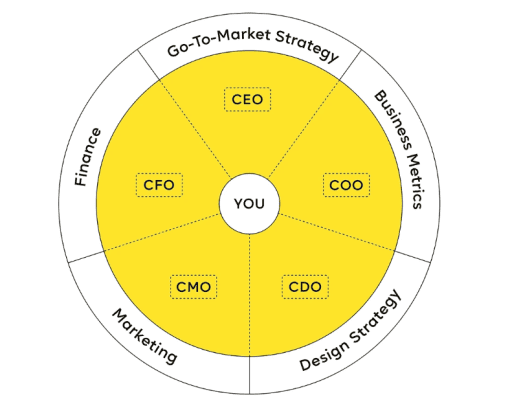
Description
Future London Academy – Mini-MBA for Designers & Creatives
In today’s competitive creative economy, designers, creative directors, brand strategists, product professionals, and innovators are expected to do much more than produce exceptional work. Modern organizations demand leaders who understand business strategy, financial decision-making, innovation management, leadership, and organizational growth. This is where Future London Academy – Mini-MBA for Designers & Creatives stands out as one of the most comprehensive executive education programs designed specifically for creative professionals.
The program bridges the gap between creativity and business, enabling participants to develop the strategic thinking required to lead teams, influence stakeholders, and contribute to long-term organizational success. Rather than focusing solely on design execution, this learning experience empowers professionals to understand how businesses operate and how creative work can drive measurable results.
Why Business Knowledge Matters for Creative Professionals
Many talented designers and creatives eventually reach a point where technical expertise alone is no longer enough to advance their careers. As responsibilities grow, professionals are required to:
- Lead multidisciplinary teams
- Communicate effectively with executives
- Manage budgets and resources
- Develop business strategies
- Understand market dynamics
- Drive innovation initiatives
- Influence organizational decisions
Without a solid understanding of business fundamentals, creative professionals often struggle to make the transition from practitioner to leader. Acquiring business knowledge allows creatives to become more valuable contributors within their organizations and opens doors to senior leadership opportunities.
Understanding the Mini-MBA Concept
A Mini-MBA is an intensive executive-level program designed to provide practical business education without requiring the significant time commitment of a traditional MBA degree.
Unlike conventional academic programs that may take years to complete, a Mini-MBA focuses on delivering the most relevant business concepts in a condensed and highly actionable format. Participants gain exposure to essential business disciplines while immediately applying lessons to real-world challenges.
Core topics typically include:
- Business strategy
- Leadership development
- Marketing fundamentals
- Financial literacy
- Organizational behavior
- Innovation management
- Decision-making frameworks
- Entrepreneurship
- Product development
- Brand growth strategies
For creatives, these subjects become especially valuable when integrated with design thinking and innovation methodologies.
Key Learning Areas Covered
Strategic Thinking and Business Strategy
One of the most important skills creative leaders must develop is strategic thinking. Understanding how organizations define goals, allocate resources, and create competitive advantages enables professionals to align creative initiatives with broader business objectives.
Participants learn how to:
- Analyze market opportunities
- Evaluate competitive landscapes
- Identify growth strategies
- Develop long-term business plans
- Connect design initiatives to company goals
This strategic perspective helps professionals move beyond tactical execution and contribute meaningfully to executive-level discussions.
Leadership and Team Management
Creative leadership requires far more than artistic talent. Successful leaders inspire teams, resolve conflicts, manage stakeholders, and build environments that encourage innovation.
Important leadership topics include:
Building High-Performing Teams
Creative organizations thrive when team members collaborate effectively. Understanding team dynamics helps leaders create productive and positive workplace cultures.
Communication Skills
Leaders must communicate ideas clearly across departments, including marketing, finance, operations, and executive management.
Decision-Making Under Uncertainty
Creative projects often involve ambiguity. Strong leaders learn how to make informed decisions even when information is incomplete.
Managing Change
As industries evolve rapidly, organizations need leaders capable of guiding teams through periods of transformation.
Financial Literacy for Creatives
Many creative professionals avoid financial topics because they seem intimidating or unrelated to design work. However, financial understanding is critical for leadership roles.
Professionals gain insight into:
- Revenue generation
- Profitability metrics
- Budget management
- Cost structures
- Investment decisions
- Financial planning
- Business performance indicators
Financial literacy enables creatives to justify investments, evaluate project viability, and communicate effectively with business leaders.
Innovation and Design-Led Growth
Innovation remains a major competitive advantage in modern business. Organizations increasingly rely on creative thinking to solve complex challenges and develop new opportunities.
Key innovation concepts include:
- Design thinking frameworks
- Customer-centered innovation
- Product development processes
- Opportunity identification
- Innovation ecosystems
- Emerging market trends
- Business model innovation
Creative professionals learn how innovation can become a systematic process rather than a matter of chance.
Marketing and Brand Strategy
Every successful organization depends on strong branding and effective marketing strategies. Understanding these disciplines helps creatives create work that drives business results.
Participants explore:
Brand Positioning
Developing clear and differentiated brand identities that resonate with target audiences.
Customer Experience
Designing experiences that strengthen customer relationships and improve loyalty.
Digital Marketing
Understanding how digital channels influence customer behavior and business growth.
Consumer Psychology
Learning how people make purchasing decisions and interact with brands.
Market Research
Using data and insights to inform strategic decisions and creative direction.
The Importance of Design in Business
Design is no longer viewed solely as aesthetics. Today, it plays a critical role in shaping products, services, customer experiences, and business outcomes.
Organizations increasingly recognize that design can:
- Increase customer satisfaction
- Improve user experiences
- Strengthen brand loyalty
- Drive innovation
- Support digital transformation
- Generate competitive advantages
Creative professionals who understand business strategy can better demonstrate the value of design within their organizations.
Developing Executive-Level Thinking
One of the most transformative aspects of executive education is learning how senior leaders approach challenges.
Executive thinking involves:
Systems Thinking
Understanding how different parts of an organization interact and influence one another.
Long-Term Planning
Balancing immediate needs with future growth opportunities.
Resource Allocation
Making strategic decisions regarding budgets, personnel, and investments.
Risk Management
Evaluating potential risks while pursuing innovation and growth.
These capabilities help professionals transition into leadership positions and contribute more effectively to organizational success.
Networking Opportunities and Professional Growth
Professional development extends beyond classroom learning. One of the greatest benefits of executive programs is the opportunity to connect with ambitious professionals from diverse industries.
Networking benefits include:
- Building valuable professional relationships
- Sharing industry insights
- Learning from peer experiences
- Discovering career opportunities
- Expanding international connections
- Collaborating on future projects
Strong professional networks often become long-term assets that support career growth for years to come.
Who Can Benefit from This Program?
This type of executive business education is particularly valuable for:
Designers
Professionals seeking to move into management and leadership roles.
Creative Directors
Leaders responsible for managing teams and aligning creative initiatives with business goals.
Product Designers
Individuals working at the intersection of design, technology, and business.
UX and UI Professionals
Designers aiming to influence strategic product decisions.
Brand Strategists
Professionals focused on brand development and customer engagement.
Entrepreneurs
Founders looking to combine creative thinking with business management skills.
Marketing Professionals
Individuals seeking a deeper understanding of innovation and customer experience design.
Career Benefits for Graduates
The business knowledge gained through executive education can significantly enhance career prospects.
Potential benefits include:
- Increased leadership opportunities
- Improved decision-making capabilities
- Enhanced business confidence
- Better communication with executives
- Stronger strategic thinking skills
- Expanded professional network
- Greater influence within organizations
- Improved earning potential
As organizations continue prioritizing innovation and customer-centered growth, professionals who combine creativity with business expertise become increasingly valuable.
The Future of Creative Leadership
The modern business environment demands leaders who can navigate complexity, drive innovation, and create meaningful customer experiences. Creative professionals are uniquely positioned to meet these challenges because they bring empathy, problem-solving abilities, and innovative thinking to organizational decision-making.
However, creativity alone is not enough. Success increasingly depends on understanding the broader business landscape and aligning creative efforts with organizational objectives.
Future leaders will need to:
- Think strategically
- Lead diverse teams
- Understand financial principles
- Drive innovation initiatives
- Manage organizational change
- Build customer-focused solutions
- Communicate effectively across departments
Developing these capabilities positions professionals for long-term success in an increasingly competitive marketplace.
Final Thoughts
As the boundaries between design, technology, innovation, and business continue to blur, professionals who can operate across disciplines gain a significant advantage. The ability to combine creative excellence with strategic business understanding creates opportunities for leadership, influence, and career advancement.
For designers, creative directors, product professionals, entrepreneurs, and innovators, investing in business education can be a transformative step toward achieving greater impact. By developing expertise in strategy, leadership, finance, innovation, and organizational growth, creative professionals become better equipped to shape the future of their industries and drive meaningful business outcomes.
The modern creative leader is no longer simply a maker or designer. They are a strategist, innovator, communicator, and business thinker capable of creating value at every level of an organization.





Reviews
There are no reviews yet.