
Description
Trading success is often misunderstood. Many aspiring traders believe profitability comes solely from finding the perfect strategy, indicator, or market setup. While technical knowledge is important, the reality is that long-term success is driven by something far more powerful: mindset.
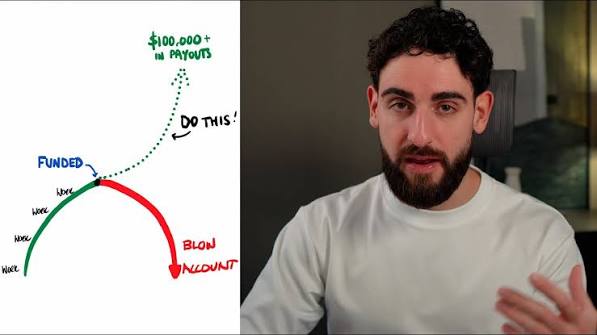
Patrick Bailouni – Master Your Trading Mindset focuses on the psychological aspects of trading that separate consistently profitable traders from those who struggle with emotional decision-making. Instead of chasing shortcuts or unrealistic promises, this program emphasizes building mental resilience, discipline, confidence, and a structured approach to navigating financial markets.
Whether you trade stocks, forex, options, futures, or cryptocurrencies, understanding how your emotions influence decisions can dramatically improve performance. The concepts taught in this training are designed to help traders develop professional habits, reduce costly mistakes, and create a sustainable path toward long-term growth.
Why Trading Psychology Matters
Most traders spend years searching for the perfect strategy while neglecting the psychological component of trading.
Common challenges traders face include:
- Fear of losing money
- Revenge trading after losses
- Overtrading during emotional periods
- Lack of confidence in execution
- Inconsistent risk management
- FOMO (Fear of Missing Out)
- Greed during winning streaks
- Hesitation when opportunities appear
- Poor discipline with trading plans
- Emotional attachment to positions
Even traders with profitable systems often fail because they cannot control their emotions during live market conditions.
Developing a strong trading mindset helps eliminate these obstacles and allows traders to execute their strategies with consistency and confidence.
Understanding the Trader’s Mind
Successful trading requires a unique way of thinking.
Markets are uncertain by nature. No strategy wins 100% of the time, and losses are a normal part of the process. Traders who accept this reality tend to perform better than those who seek certainty.
A professional trader understands that:
- Losses are business expenses
- Risk management is more important than being right
- Consistency beats occasional large wins
- Emotional control creates long-term profitability
- Discipline is a competitive advantage
Learning these principles can transform the way traders approach the markets.
Key Lessons Covered in the Program
Developing Emotional Control
One of the most important skills any trader can learn is emotional regulation.
Market fluctuations trigger powerful emotions such as fear, greed, excitement, frustration, and anxiety. These emotions often lead to impulsive decisions that violate trading plans.
The training focuses on techniques for:
- Remaining calm during volatility
- Managing stress effectively
- Avoiding emotional reactions
- Maintaining objectivity
- Executing trades with confidence
Traders who master emotional control are better equipped to handle both winning and losing periods.
Building Consistency
Consistency is the foundation of successful trading.
Many traders experience cycles of strong performance followed by significant losses because they abandon their systems during emotional periods.
Building consistency involves:
- Following predefined rules
- Maintaining trading discipline
- Tracking performance metrics
- Reviewing mistakes objectively
- Creating repeatable processes
The goal is to develop habits that produce reliable results over time rather than relying on luck or intuition.
Risk Management Psychology
Risk management is not only a technical skill but also a psychological one.
Many traders understand position sizing and stop losses but struggle to apply them consistently.
Common mistakes include:
- Increasing risk after losses
- Holding losing trades too long
- Cutting winners too early
- Ignoring stop-loss levels
- Risking too much capital on single trades
A disciplined mindset allows traders to manage risk objectively and protect their trading capital.
Eliminating Self-Sabotage
Self-sabotage is one of the biggest hidden obstacles in trading.
Examples include:
- Breaking trading rules
- Entering trades without confirmation
- Taking unnecessary risks
- Seeking excitement rather than profits
- Chasing losses
Many traders know exactly what they should do but fail to execute consistently because of subconscious behavioral patterns.
Understanding these patterns is essential for long-term success.
The Importance of Confidence in Trading
Confidence plays a major role in trading performance.
However, confidence should be based on preparation, experience, and data rather than emotions.
Healthy trading confidence comes from:
- Having a tested strategy
- Following a proven process
- Understanding market conditions
- Managing risk effectively
- Maintaining realistic expectations
Traders who develop genuine confidence are less likely to second-guess their decisions or panic during market fluctuations.
Creating a Professional Trading Routine
Professional traders operate differently from amateurs.
Instead of relying on emotions or market predictions, they follow structured routines.
A professional trading routine may include:
Pre-Market Preparation
- Market analysis
- Reviewing economic events
- Identifying key levels
- Planning potential setups
Trading Session
- Executing predefined strategies
- Monitoring risk exposure
- Avoiding impulsive decisions
- Staying focused on process
Post-Market Review
- Analyzing trades
- Recording lessons learned
- Measuring performance
- Improving execution
Consistent routines help reduce emotional interference and improve decision-making.
Mastering Discipline
Discipline is often the difference between profitable traders and struggling traders.
Without discipline, even the best strategy can fail.
Key elements of trading discipline include:
- Following entry rules
- Respecting stop losses
- Avoiding overtrading
- Managing risk consistently
- Maintaining patience
Discipline allows traders to focus on long-term performance rather than short-term emotions.
Overcoming Fear and Anxiety
Fear is one of the most common emotions in trading.
It can appear in many forms:
- Fear of losing money
- Fear of missing opportunities
- Fear of making mistakes
- Fear of market uncertainty
These fears often cause traders to hesitate, exit positions prematurely, or avoid valid setups.
Learning how to manage fear effectively can significantly improve execution and overall results.
The Role of Patience in Trading
Patience is a valuable skill that many traders underestimate.
Markets provide endless opportunities, but not every opportunity is worth taking.
Patient traders:
- Wait for high-probability setups
- Avoid forcing trades
- Follow their trading plans
- Focus on quality rather than quantity
Patience helps traders preserve capital and avoid unnecessary losses.
Developing a Growth Mindset
A growth mindset is essential for continuous improvement.
Instead of viewing losses as failures, successful traders treat them as learning experiences.
Benefits of a growth mindset include:
- Faster skill development
- Better adaptability
- Increased resilience
- Improved problem-solving
- Greater long-term success
Markets constantly evolve, and traders must be willing to evolve alongside them.
Common Trading Mistakes to Avoid
Many traders repeatedly make the same mistakes.
Some of the most common include:
Overtrading
Taking excessive trades due to boredom, excitement, or impatience.
Revenge Trading
Attempting to recover losses quickly through aggressive positions.
Ignoring Risk Management
Failing to protect capital during difficult market conditions.
Chasing the Market
Entering trades after significant price movements out of fear of missing out.
Lack of Preparation
Trading without a clear plan or strategy.
Avoiding these mistakes can dramatically improve trading performance.
Who Can Benefit from This Training?
This program is suitable for:
- Beginner traders
- Intermediate traders
- Experienced market participants
- Forex traders
- Stock traders
- Cryptocurrency traders
- Futures traders
- Options traders
Anyone looking to improve discipline, emotional control, and consistency can benefit from mindset-focused trading education.
Benefits of a Strong Trading Mindset
Developing the right psychological framework can provide several advantages:
- Better decision-making
- Reduced emotional trading
- Increased confidence
- Improved risk management
- Greater consistency
- Enhanced discipline
- Long-term sustainability
- Better overall performance
These benefits often have a greater impact on profitability than finding a new indicator or strategy.
Final Thoughts
Financial markets are highly competitive environments where emotions can easily influence decision-making. Technical skills are important, but mindset often determines whether those skills can be applied consistently under pressure.
Patrick Bailouni – Master Your Trading Mindset highlights the importance of psychological mastery, discipline, risk management, and emotional control. By developing professional trading habits and focusing on long-term consistency, traders can significantly improve their ability to navigate market uncertainty and achieve sustainable results.
Success in trading is not about predicting every market move. It is about executing a proven process with confidence, discipline, and emotional stability. Traders who master these principles place themselves in a much stronger position to achieve long-term success.
Recommended Resources
If you’re serious about improving your trading performance, consider exploring advanced education on risk management, market psychology, and AI-powered trading research tools that can complement mindset development and create a more complete trading framework.




Reviews
There are no reviews yet.